Embracing AI in Veterinary Practice: A Balanced Perspective

Revolutionizing Pet Care: The Veterinary-AI Synergy
The Emergence of AI in Veterinary Medicine: A Vet's Perspective
Artificial intelligence has permeated numerous facets of contemporary existence, and its presence in veterinary science is no exception. This juncture offers veterinarians a pivotal opportunity to influence the direction of technological integration within their professional sphere. Without active participation from veterinary professionals in the development of AI tools and client-facing resources, the narrative and utility of these innovations risk being dictated by consumer technology companies.
Navigating AI Adoption: Overcoming Skepticism and Fostering Trust
Initially, I harbored significant reservations about AI's potential impact on our field. However, maintaining an open mind and delving deeper into its capabilities proved transformative. Through insightful guidance from experienced advisors, I've gained a clearer understanding of how AI can bolster our profession, alongside recognizing areas demanding caution.
A notable shift has been the increasing desire among pet owners to be more informed and engaged in their pets' well-being. While this might seem daunting to some, I view it as a positive development, encouraging more proactive and knowledgeable pet guardianship. The key challenge lies in directing pet owners towards credible information sources.
Many pet owners consult online platforms like ChatGPT and general search engines for symptoms and medication information, often encountering inaccurate or misleading content. It is imperative for veterinarians to guide clients toward resources specifically designed with veterinary oversight, featuring built-in safeguards to monitor information accuracy. I've frequently observed owners becoming unduly alarmed post-online searches, leading to anxious consultations. My aim is to mitigate such incidents by providing reliable, veterinarian-approved resources.
Empowering Vets: Essential Involvement in AI Tool Development
AI has already brought forth innovative solutions to the veterinary workplace, from transcription services to radiographic analysis tools. It is crucial for us to diligently assess these tools, ensuring their proper development with essential input from veterinary professionals. The comfort level with AI tools in practice is a personal decision, yet many veterinary organizations, including the American Veterinary Medical Association (AVMA) and the American College of Veterinary Internal Medicine (ACVIM), have established AI task forces. These groups are dedicated to exploring and educating members on the effective and responsible use of AI.
The September 2026 edition of Veterinary Clinics of North America: Small Animal Practice will spotlight Artificial Intelligence in Small Animal Veterinary Medicine, featuring articles on how professionals can evaluate, integrate, and contribute to AI-based solutions. The term 'contribute' is paramount here. Veterinarians must be involved in creating these tools to ensure their efficiency and appropriate application. While the focus is primarily on veterinary use of AI, the client aspect in pet healthcare is equally vital, as pet owners increasingly seek information to play a more active role in their pets' health.
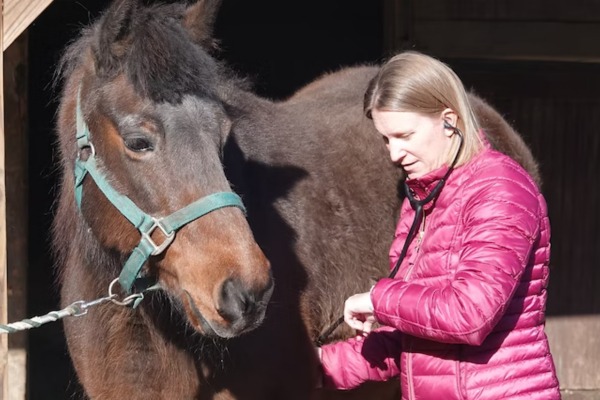
A recent incident illustrated this point. A horse required two medications typically not co-administered, but necessitated by two distinct diagnoses. I thoroughly discussed the treatment plan, potential side effects, and my past successful experiences with the owner, who also consulted with the regular veterinarian, receiving full agreement. Despite this, after administering the medications, the owner panicked, having found conflicting information online suggesting severe adverse reactions. This situation highlighted the pitfalls of unverified online sources. After clarifying the correct guidance, I recommended a veterinarian-informed resource designed with proper safeguards, emphasizing the importance of trusted information.
AI's Role in Streamlining Veterinary Records and Enhancing Owner Engagement
One area ripe for AI assistance in veterinary medicine is the management of pet medical records. Currently, there's no universal "My Chart" system for pets, making comprehensive record access challenging. Owners often struggle to recall vital health information. Pet technology solutions that allow owners or veterinarians to consolidate health records, lab results, and vaccination histories, and then share this data, are invaluable. Such systems would be particularly beneficial in urgent care or emergency situations, offering veterinarians an immediate overview of a pet's health. For competition horses, these AI offerings could provide instant access to health records for new veterinary teams on the road.
Certain AI tools can organize this information efficiently, allowing veterinarians to quickly review essential data without sifting through years of records.
Many pet AI applications also empower owners to log observations and changes in their pets over time, furnishing veterinarians with valuable insights. These tools educate pet owners, enabling them to ask pertinent questions and engage more meaningfully during appointments. The overarching goal isn't to replace veterinarians but to empower pet owners, fostering a stronger link between home care and clinical practice. Informed owners are also more likely to understand the value of diagnostic tests, leading to better compliance.
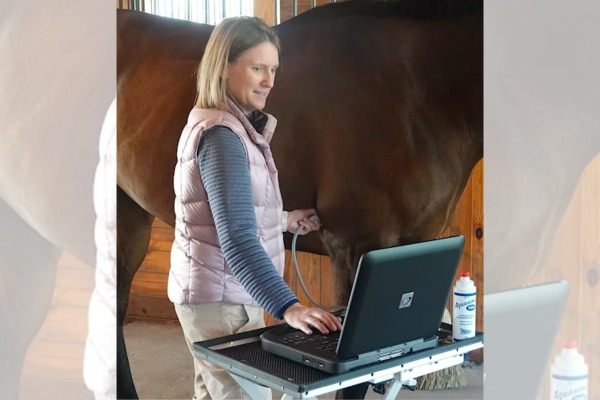
As veterinary professionals, we must proactively educate our clients on which AI resources are reliable and which lack professional endorsement. While determining our individual comfort with new AI tools for daily workflow is important, we also have a responsibility to contribute to their evolution and provide feedback. Veterinary medicine should lead in establishing best practices for AI tools used by both veterinarians and pet owners, a role many organizations like AVMA are already undertaking. Sustained involvement is key.
Ultimately, both veterinarians and pet owners share the common goal of ensuring happy, healthy companion animals. I urge my colleagues to seize this opportunity by exploring available AI tools and resources, helping to establish ethical guidelines, and identifying solutions that align with sound veterinary practice. Most crucially, let us guide our clients toward trustworthy information.
I envision a future where veterinarians, clients, and AI collaborate seamlessly to deliver optimal healthcare for pets.